Beyond Plastic Taxes: How To Keep Fresh Fruit Fresh And Retail Margins Healthy
Leave a message
Let's be honest about fresh produce logistics. You spend months growing the perfect batch of berries or stone fruits, you stack the pallets, and you wave the truck goodbye. Then reality hits. By the time that shipment reaches the distribution center, half the cardboard trays look like wet tissues, the bottom layers are crushed, and you are staring at a massive financial loss.
Switching away from plastic sounds great on paper-especially with everyone talking about global plastic bans. But if you swap plastic for a flimsy paper alternative, you just traded a regulatory headache for a logistical disaster. Here is how to actually get it right.
The Cold Chain Reality Check
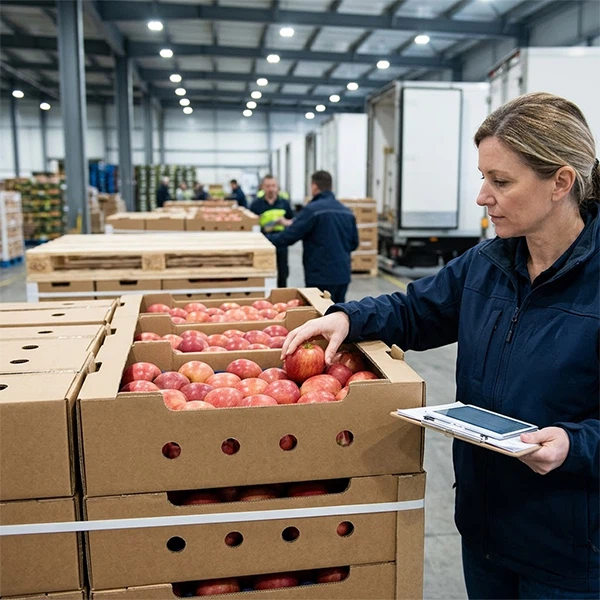
Here is the thing about fresh fruits: they breathe. And when they breathe inside a closed shipping container, they sweat. If you are using a standard retail box, that fiber acts like a giant sponge, soaking up every bit of ambient humidity until the whole pallet architecture gives out.
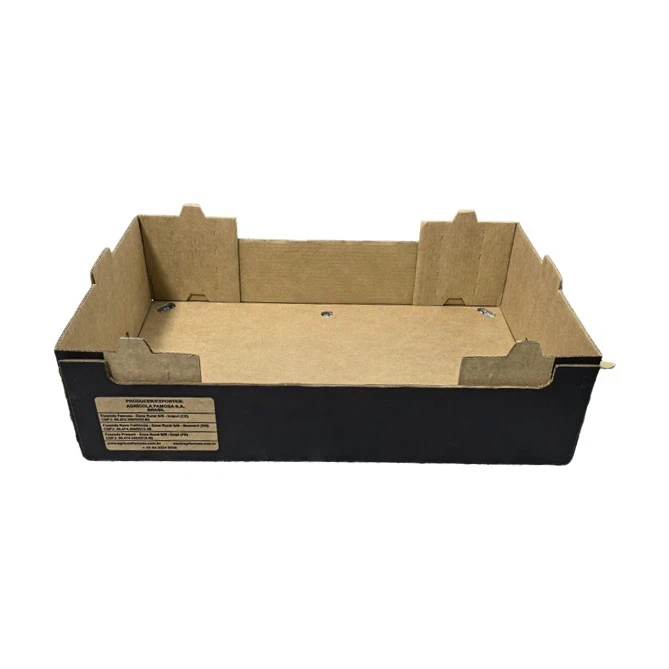
That is exactly why a specialized cardboard fruit tray needs more than just a green label. It needs to be engineered with food-safe, water-based barrier coatings. We aren't talking about making the paper fully waterproof like a plastic bag; it's about giving the tray enough structural backbone to survive a 90% humidity cold chain without turning into mush. Real-world field data proves that keeping this vertical strength intact is the only way to stop a chain-reaction of crushed produce at the bottom of the stack.
Bruising Costs Millions. Fix the Fit.
A bruised peach or a punctured tomato is an automatic rejection at the supermarket loading dock. When loose fruit rattles around during a bumpy mountain transit, friction does the damage long before mold even has a chance to set in.
This is why experienced supply chain managers stay away from generic, one-size-fits-all shipping inserts. A high-performance cardboard fruit tray relies on a high strength-to-weight ratio combined with precision ventilation cutouts. The airflow stops heat from building up inside the stack, while the molded cells cradle each piece of fruit. Industry case studies focus heavily on this: switching from rigid plastic crates to shock-absorbing paper alternatives cuts transit bruising by up to 14%. That is a direct boost to your bottom line.
Sidestepping the Modern Plastic Tax
If you are exporting fresh produce into European or North American supermarkets, sustainability is no longer a marketing buzzword. It's a compliance line item. Customs border offices are actively fining brands that rely on single-use plastics.
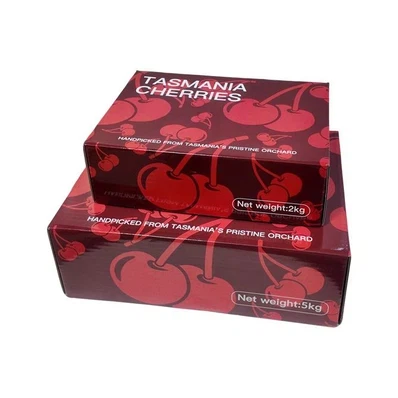
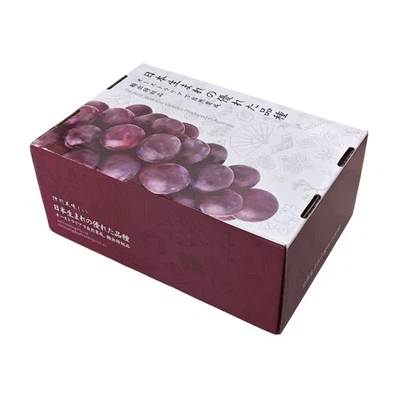
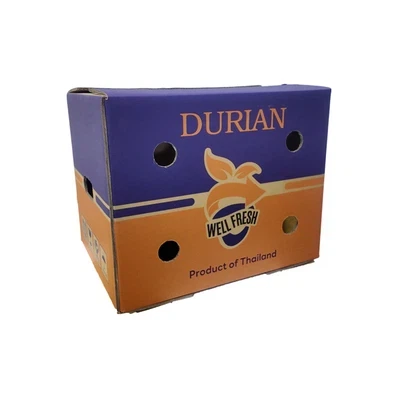
Moving your inventory over to bulk biodegradable fruit packaging is the easiest way to bypass these penalties entirely. By using 100% recycled fibers that meet international FSC guidelines, you keep your supply chain clear of green compliance risks. No unexpected customs delays, no surprise eco-tax bills at the destination port.
The Bottom Line
Your shipping packaging has exactly two jobs: protect the physical fruit and protect your profit margin. Running a high-performance, moisture-resistant cardboard trays system hits both targets at the same time.
If you are currently auditing your transit workflows or trying to figure out a scalable way to ditch plastic crates, we can map it out with you. Over at Liaoning Kunze Industrial Group Co., Ltd., we build eco-friendly agricultural packaging meant for real-world, tough supply chains. Head over to our product desk, check out the options on our specialized Cardboard Fruit Tray page, and let's get your shipping spoilage numbers down.