

Choosing Sustainable Packaging: A Real-World Guide for Importers & Brands
Leave a message
Let's be honest: navigating "eco-friendly" packaging can feel overwhelming. As an importer or brand manager, you're caught between genuine environmental goals, cost pressures, customer expectations, and a confusing sea of material claims like "compostable," "biodegradable," and "recycled." We've had countless conversations with businesses just like yours, and the first question is always: "What actually works for my product?"
The truth is, there's no single "best" material. The right choice depends on your specific product, supply chain, and what story you want your packaging to tell. Let's cut through the jargon and look at the practical pros and cons of popular options.
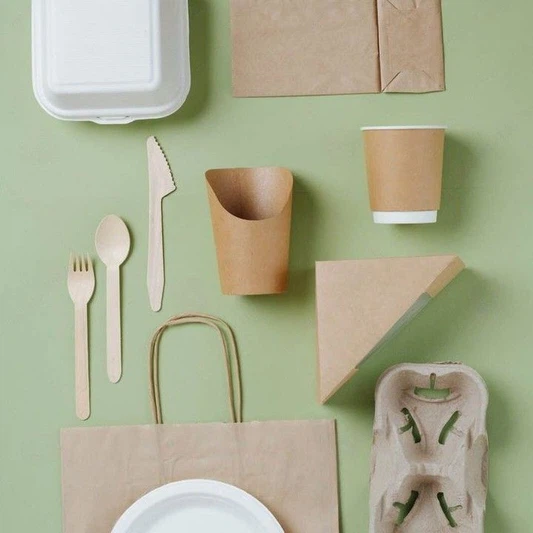
Breaking Down the Materials: What You Need to Know
Here's a straightforward look at materials we commonly work with, beyond the marketing speak:
Sugarcane Bagasse (The Fast-Cycle Workhorse)
Forget "waste." This is the fibrous pulp left after squeezing sugarcane. It's tough, handles grease and heat well (think microwaveable meals), and breaks down in a home compost bin within months. We often see it succeed for food service containers, premium takeaway boxes, and disposable tableware. It gives a natural, earthy feel that appeals to brands ditching plastic clamshells.
Bamboo Fiber (The Durable & Food-Safe Natural)
Sourced from one of the world's fastest-growing renewable plants, bamboo fiber is molded into sturdy, lightweight forms with a naturally elegant texture. Its inherent strength and natural antibacterial properties make it an excellent food-safe choice for sustainable food packaging. You'll often find it used for meal prep containers, takeout boxes, serving trays, and disposable tableware - providing a premium, natural feel that elevates everyday food presentation. Fully biodegradable and from a rapidly replenishing source, it tells a clear and compelling story for brands committed to reducing plastic in the food cycle.
Recycled Paper Pulp / Molded Pulp (The Protective Cushion)
This is the quiet hero of protective packaging. Made from old newspapers or cartons, it's pulped and formed into custom shapes. It's not glamorous, but it's incredibly effective, 100% recyclable, and widely accepted. We use it for secure product inserts, wine bottle shippers, and electronics packaging. It's the go-to when you need to prevent damage while hitting a clear recycled content target.
PLA (The "Looks-Like-Plastic" Alternative)
Derived from corn or sugarcane, PLA is a bioplastic that's clear and rigid. Here's the critical detail: it's compostable only in industrial facilities-not in your backyard or a landfill. It's perfect for clear bakery boxes, cold drink cups, or bags where product visibility is key. Choose this if you have insight into your end-user's waste stream or for forward-thinking events/food services.
rPET (The Circular Solution)
This is recycled plastic, often from bottles. It reduces reliance on virgin oil and keeps plastic in use. It's strong, recyclable again, and can be clear or colored. Many brands use it for garment bags, clear clamshells, or sturdy mailers. It's a smart, practical step for brands transitioning from conventional plastic while maintaining familiar functionality.
Kraft Paper & Corrugated Cardboard (The Trusted Classics)
Never underestimate them. Kraft paper (that strong brown paper) is versatile for bags, wrapping, and void fill. Corrugated cardboard remains the king of shipping for good reason: it's lightweight, strong, and has one of the highest recycling rates globally. Using recycled-content or FSC-certified versions boosts your sustainability profile instantly. They form the reliable backbone of most e-commerce packaging.
How to Make Your Decision: 3 Questions We Ask Our Clients
Instead of getting lost in specs, start here:
What's the #1 job of this package? (Is it to protect a fragile ceramic mug? Keep frozen food cold? Make a luxury candle look premium on a shelf?) Function comes first.
Where will it most likely end up? Be realistic. If most of your customers lack access to industrial composting, a home-compostable or widely recyclable option (like paper pulp or cardboard) might have a lower environmental impact than PLA.
What's your operational reality? Consider budget, minimum order quantities, shelf life (some bioplastics can be sensitive in storage), and existing packing line setup. A fantastic material that jams your machines isn't sustainable for your business.
Let's Find Your Solution Together
The best packaging choices often come from mixing materials-a recycled cardboard box with a molded pulp insert and a cornstarch-based void fill, for example.
This is where a conversation makes all the difference. Our role isn't just to sell boxes; it's to be a sounding board. We can walk you through real sample kits, share case studies of what worked for similar products, and help you balance cost, performance, and sustainability claims you can stand behind.
Have a specific product in mind? Reach out to our team. Send us a link or a photo of what you're shipping, along with your biggest packaging headache. Let's brainstorm some options that are genuinely tailored for you.


