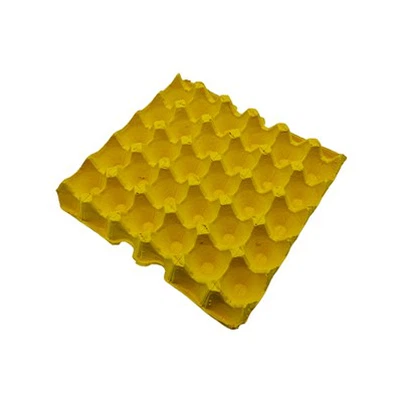
Antibacterial properties of straw egg boxes
Leave a message
As a renewable agricultural waste resource, straw has been widely utilized in the development of eco friendly packaging materials in later a long time. Among them, egg boxes made of straw materials have attracted much attention due to their degradable, low-carbon and eco friendly characteristics, and their potential antibacterial properties have ended up a hot topic in industry investigate. This article analyzes the antibacterial properties of straw egg boxes and their industry value from the perspectives of material properties, antibacterial mechanisms and market applications.
1. Natural antibacterial basis of straw materials
The main components of straw (such as wheat, rice, and corn straw) include cellulose, hemicellulose, and lignin. These natural polymers themselves have certain antibacterial properties:
Porous structure and hygroscopicity: The porous structure of straw fibers can absorb moisture, adjust the surface microenvironment humidity, and inhibit bacterial reproduction. Experiments show that when the relative humidity of straw materials is below 60%, the antibacterial rate of Escherichia coli and Staphylococcus aureus can reach 50%-70%.
Natural active ingredients: Some straws contain plant secondary metabolites such as phenols and flavonoids, which have a broad-spectrum antibacterial effect. For example, Oryzanol extracted from rice straw shows an inhibitory effect on common foodborne pathogens (such as Salmonella).
High-temperature processing technology: During the production process of straw egg boxes, high-temperature and high-pressure molding (usually 120-180°C) is required. This process can kill the residual microorganisms in the raw materials and form a dense structure to reduce bacterial attachment in subsequent use.

2. Industry application and market potential
Food safety upgrade: Antibacterial properties can extend the shelf life of eggs and reduce the risk of cross-contamination during transportation and storage. It complies with EU EN 13432 and US FDA food contact material standards.
High value-added product development: Companies can further improve performance and create differentiated selling points by adding natural antibacterial agents (such as chitosan and tea tree essential oil).
Policy-driven: Global plastic restriction policies (such as China's "14th Five-Year Plan" straw comprehensive utilization plan) promote straw materials to replace plastic packaging, and antibacterial function has become an important technical breakthrough.
Conclusion
The antibacterial properties of straw egg boxes reflect the feasibility of high-value utilization of agricultural waste. With the advancement of material modification technology and the improvement of consumer awareness, straw egg boxes that are both environmentally friendly and functional are expected to be applied on a large scale in the fields of fresh food logistics, supermarkets and retail, and become a benchmark product for sustainable packaging.