The Sustainability Benefits Of Sugarcane Bagasse: An Eco-friendly Alternative For Packaging And Insulation Materials
Leave a message
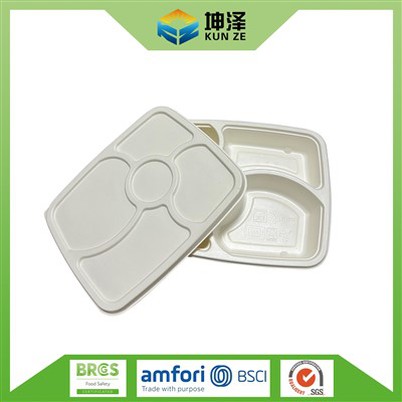
In recent years, the importance of sustainability has become an increasingly prominent topic. With growing concerns regarding climate change and environmental degradation, it has become essential to seek out eco-friendly alternatives to traditional methods of production and consumption. One solution that has gained significant traction in recent years is sugarcane bagasse. Sugarcane bagasse is the fibrous residue left over after the juice extraction process from sugarcane. This residue was previously discarded as waste but has found new life as a sustainable alternative for packaging and insulation materials.
The use of sugarcane bagasse as an eco-friendly alternative for packaging and insulation materials has several sustainability benefits. Firstly, it reduces waste and carbon emissions. When sugarcane bagasse is utilized as a replacement for traditional packaging and insulation materials, it diverts a significant amount of waste from landfills and reduces the carbon footprint of production. A study conducted by the University of Sao Paulo found that replacing traditional polystyrene packaging with sugarcane bagasse reduced carbon dioxide emissions by 89%.
Secondly, it is renewable and biodegradable. Sugarcane grows relatively quickly, and its use reduces dependence on non-renewable resources such as petroleum-based products. Additionally, sugarcane bagasse is biodegradable, which means it decomposes naturally at the end of its lifecycle. This reduces the amount of waste that ends up in landfills and reduces the impact of pollution on the environment.
Thirdly, it reduces deforestation. The demand for alternative packaging and insulation materials has resulted in significant deforestation in areas such as the Amazon rainforest and Southeast Asia. This deforestation not only contributes to climate change but also endangers the habitats of many animals. The use of sugarcane bagasse as an alternative reduces the demand for traditional materials and helps to preserve natural habitats.
Fourthly, it supports local economies. Brazil is the world's largest producer of sugarcane, and the use of sugarcane bagasse as an alternative provides a significant source of income for local producers. This can help to stimulate economic growth in areas where sugarcane is grown and provide employment opportunities for local communities.
In conclusion, the use of sugarcane bagasse as an eco-friendly alternative for packaging and insulation materials has several sustainability benefits. It reduces waste and carbon emissions, is renewable and biodegradable, reduces deforestation, and supports local economies. As the demand for sustainable alternatives to traditional methods of production and consumption increases, the use of sugarcane bagasse will likely continue to gain popularity as a viable solution.