RPET Packaging Rises To Replace Traditional Plastics
Leave a message
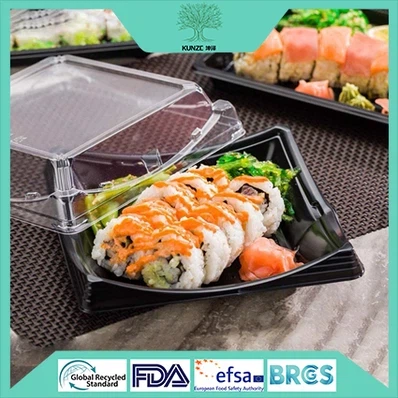
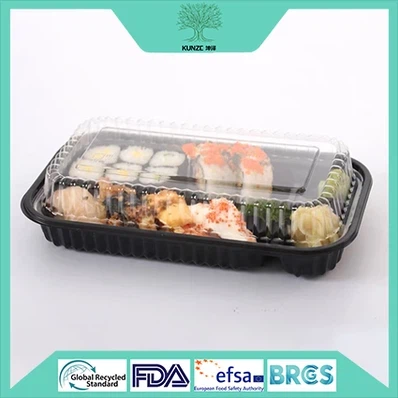
With the improvement of global environmental awareness and the heightened plastic pollution, the food packaging industry is introducing a material revolution. RPET (recycled polyethylene terephthalate) packaging has slowly become the darling of the industry and is respected as the finest elective to conventional plastic packaging. RPET packaging not only has excellent physical properties but also has strong environmental properties. Its wide application marks a new heading for sustainable advancement.

Driving factors
The rise of RPET materials stems from increasingly stringent environmental regulations and approaches. Many countries around the world have progressively presented policies to confine the use of disposable plastics, inciting companies to discover more eco-friendly choices. As a material recycled and reprocessed from squandered plastic bottles, RPET not only reduces the demand for the production of new plastics but also effectively reduces the pollution of waste plastics to the environment.
In addition, the enhancement of consumers' environmental awareness has also incited companies to quicken the selection of feasible packaging arrangements. According to the latest showcase overview, increasingly buyers tend to select items with naturally neighborly bundling, and companies can win more consumers' favor by promoting RPET packaging.

Application prospects
RPET materials have a wide run of application potential, especially in the nourishment, beverage and cosmetics businesses. Within the field of food packaging, RPET can not only meet the security prerequisites of food-grade packaging but moreover be favored for its transparency and strength. Many large companies, such as Coca-Cola and PepsiCo, have slowly introduced RPET materials in their item packaging to reduce their dependence on virgin plastics.
Challenges and Future Outlook
Although RPET materials have significant advantages within the field of environmental protection, their production and supply chain still confront certain challenges. At present, the cost of RPET is relatively high, especially in the process of raw material recycling and reprocessing, which requires a lot of resources. Be that as it may, with the headway of innovation and the headway of large-scale generation, the cost of RPET packaging is expected to gradually decrease, further promoting its popularity around the world.
Overall, RPET packaging is becoming a key force in promoting the green insurgency. In the future, with the cooperation of more companies and the direction of arrangements, RPET is expected to completely replace traditional plastic packaging and contribute to worldwide natural assurance and feasible improvement.