Recyclable Corrugated Pizza Boxes Take The Spotlight
Leave a message
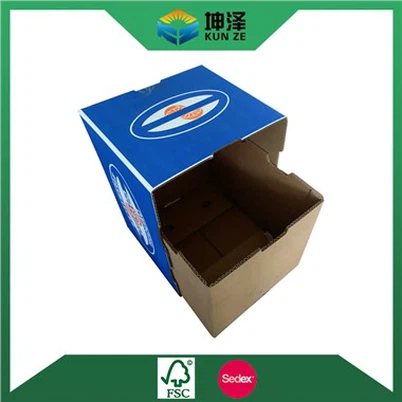
Forget soggy cardboard & guilty waste. The future of pizza delivery is crispy, eco-friendly, and powered by corrugated innovation.
Why Corrugated Cardboard is Winning the Pizza Box War
Traditional pizza boxes, plagued by grease stains and plastic linings, often end up in landfills - even when customers try to recycle them.
Recyclable corrugated cardboard boxes solve this:
Grease-ready design: Advanced fluting layers absorb oils without compromising box rigidity or requiring plastic coatings.
Closed-loop recyclability: Made from up to 100% recycled fibers and widely accepted in curbside recycling programs (unlike plastic-coated alternatives).
Lower carbon footprint: Paperboard production emits just 0.8% of global CO₂ vs. 4.5% for plastics - and boasts an 85%+ EU recycling rate.

The Global Regulatory Push Fueling the Switch
Governments are turning up the heat on unsustainable packaging:
UK Plastic Tax: £200/tonne levy on packaging with <30% recycled content (since April 2022).
EU Plastic Levy: €0.80/kg tax on non-recyclable plastic packaging.
Retailer action: Giants like Tesco and Asda have already axed millions of single-use plastic items.
"Adopting plastic-free packaging isn't just eco-smart - it's becoming economically essential."
Beyond Recycling: Innovation in Action
Forward-thinking pizzerias and suppliers are doubling down on corrugated's potential:
Waste-minimizing sizing: Custom-sized boxes eliminate excess material (cutting costs by 15–30%) and optimize shipping efficiency.
Brand storytelling: Box exteriors printed with soy-based inks showcase recycling instructions and brand sustainability missions - turning packaging into a marketing touchpoint.
Emerging alternatives: Some brands now integrate compostable liners made from plant starch or mycelium (mushroom root) for extra-greasy pies.
What This Means for Pizzerias & Suppliers
Cost savings: Reduced material use + lighter weight = lower shipping fees and tax avoidance.
Consumer appeal: 82% of shoppers pay more for sustainably packaged goods.
Future-proofing: Aligns with tightening global bans on single-use plastics.