Pulp Egg Cartons Lead The New Trend in Packaging
Leave a message
With growing worldwide awareness of environmental protection, pulp egg cartons are becoming a favorite within the packaging industry due to their biodegradable and recyclable properties. Compared to traditional plastic egg cartons, these eco-friendly alternatives, made from recycled pulp, not as it were reduce environmental pollution but moreover help enterprises cut costs.
Industry experts explain that the generation of pulp egg cartons primarily depends on recycled paper, which is processed into molds. The entire production process is energy-efficient and generates minimal pollution. Moreover, the soft material and logical plan of pulp egg cartons give superior protection for eggs during transportation.
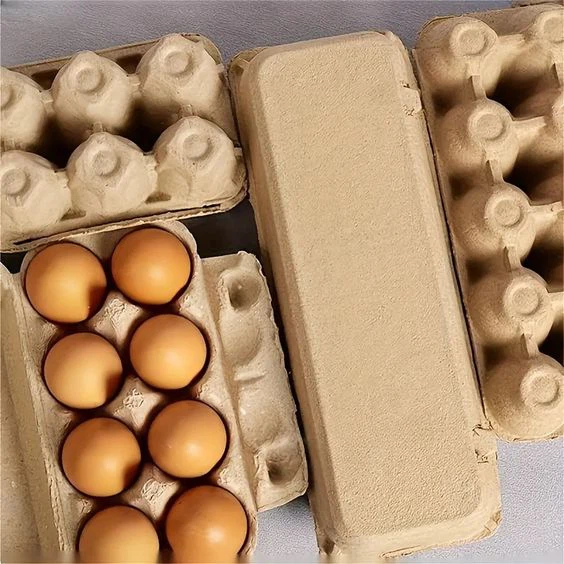
In addition, the innovative designs of pulp egg cartons have captured market attention. A few manufacturers consolidate creative elements into the items, such as printing environmental slogans or offering hand-painted shell designs, assist improving the consumer experience.
However, the development of pulp egg cartons isn't without challenges. Industry insiders point out that vacillations in crude fabric costs and specialized obstructions make it troublesome for smaller enterprises to scale up generation. Additionally, moving forward the water resistance and durability of pulp egg cartons remains a key challenge for the industry.
Despite these hurdles, the market outlook for pulp egg cartons is generally positive, bolstered by policy support and technological advancements. According to market research firms, the global pulp packaging market is projected to surpass the $10 billion mark by 2030, with egg cartons being the fastest-growing segment.
Environmental advocates are urging more consumers to support green packaging solutions like pulp egg cartons, contributing to the achievement of sustainable development goals.