How Straw Pulp Packaging Helps Your Business Meet Global Plastic Ban Requirements
Leave a message
The regulatory clock is ticking. From the EU's Packaging and Packaging Waste Regulation (PPWR) to the intensifying plastic bans across North America, the message to egg producers is blunt: Adapt or get fined. For years, plastic (PET/PVC) was the default choice for its clarity and cost. But as carbon taxes rise and "Single-Use" becomes a dirty word in retail, businesses are searching for a replacement that doesn't just "look green" but actually survives the supply chain.
Enter Straw Pulp. Here's why this agricultural byproduct is doing what recycled paper and plastic couldn't.
Beyond "Eco-Friendly": The Competitive Edge of Straw Fiber
Most buyers mistake straw pulp for just another version of molded paper. That's a mistake. Structurally, straw fiber (wheat, rice, or corn stalks) contains a higher silica content and different lignin bonds than wood pulp.
1. Compliance Without the "Carbon Tax" Headache
Many regions are now implementing Extended Producer Responsibility (EPR) fees. Because straw pulp is classified as "agricultural waste valorization," it often sits in the lowest tax bracket-or is exempt entirely. You aren't just buying a carton; you're hedging against future environmental levies.
2. The "Condensation" Factor
Plastic egg cartons are notorious for "sweating" during temperature shifts (from cold storage to a delivery truck). This moisture trap is a breeding ground for bacteria. Straw pulp is naturally porous. It allows the egg to "breathe," maintaining the natural bloom and extending shelf life-a massive selling point for your B2B clients in the grocery sector.

Solving the "Durability Gap"
The biggest objection to natural fiber is: "Will it crush under the weight of a 12-pallet stack?"
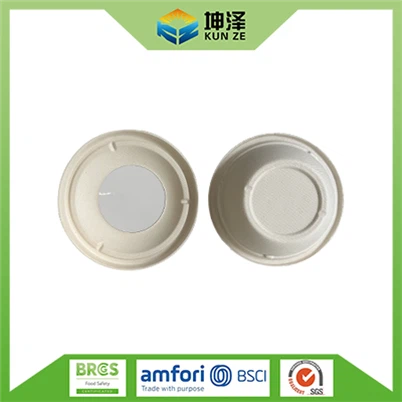
Modern molded fiber technology has evolved. By using high-density straw fibers, we've achieved a static load-bearing capacity that rivals traditional plastics. Unlike recycled newspaper pulp, which can become soft in humid climates, straw pulp maintains its "stiffness" because the fibers are shorter and more rigid.
Industry Insight: In the UK and Australian markets, "pulp-based" branding is now perceived by consumers as a "Premium" indicator. Switching to straw pulp allows brands to move from "Economy" to "Organic/Farm-Fresh" positioning without changing the eggs themselves.
Strategic Integration: How to Transition
You don't need to overhaul your entire packing line overnight. Most high-speed automated egg-packing machines can be calibrated for straw pulp trays with minimal downtime.
Step 1: Regulatory Audit. Check the specific plastic tax thresholds in your target export country.
Step 2: Sample Stress Test. Test straw pulp under your specific humidity and transport conditions.
Step 3: Marketing Pivot. Use the "Agricultural Waste" story on your packaging to build trust with eco-conscious shoppers.
The Bottom Line
The global plastic ban isn't a hurdle; it's a filter. It will filter out companies that cling to old materials and reward those who innovate. Straw pulp isn't just about saving the planet-it's about ensuring your product actually has a place on the shelf in 2026.