How Can Straw Pulp Egg Cartons Meet Global Sustainable Development Needs?
Leave a message
Look at the bottom of your fridge. Those foam or plastic egg cartons? Most are on a one-way trip to a landfill, where they'll stubbornly outlive us by centuries. It's a glaring contradiction in an era where consumers are scrutinizing the sustainability of everything from their coffee cups to their clothing.
The packaging industry is at a crossroads, and for egg producers and retailers, the pressure is mounting. The answer, however, might not lie in a high-tech lab, but in the humble leftovers of the harvest: straw. I've watched straw pulp egg cartons move from a niche curiosity to a serious contender, and here's why they're genuinely changing the game.
Why "Recyclable" Isn't Good Enough Anymore
Let's be honest-the current system is broken. Polystyrene foam is a recycling nightmare, and even plastic cartons, while sometimes recyclable, have a dismal actual recycling rate. They rely on consumer diligence and specialized facilities, a chain that easily breaks. The market isn't just asking for a better option; it's demanding one. Major retailers are setting aggressive plastic reduction targets, and a 2023 survey by Trivium Packaging found that 82% of global consumers are willing to pay more for sustainable packaging. The demand is real, and it's financial.

From Field to Carton: Turning Waste into Resource
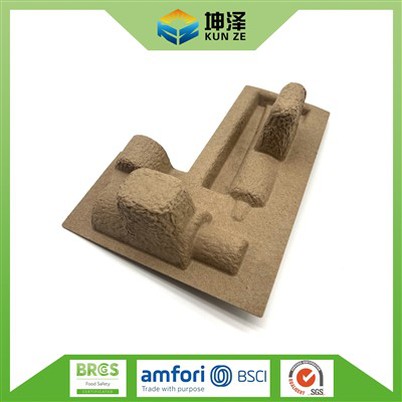
This is where the elegance of the straw pulp carton shines. Instead of drilling for new petroleum, we use agricultural residue-material that farmers often need to dispose of. The process transforms this straw into a sturdy, molded pulp. From what I've seen in supply chains, this isn't just greenwashing; it's a tangible step toward a circular economy, creating a valuable product from what was once considered waste.
More Than Just Green: The Unbeatable Practical Benefits
If sustainability was their only strength, they'd remain a niche product. But their practical advantages are what seal the deal for businesses.
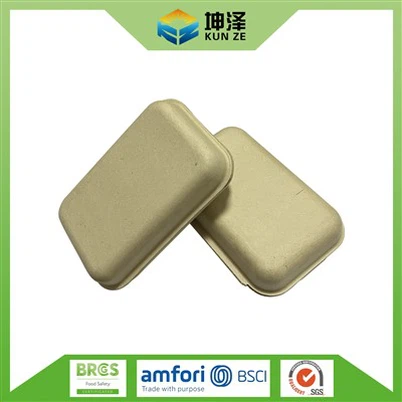
Superior Protection & That Natural Feel: The molded pulp design cradles each egg perfectly. But it's the natural texture that everyone notices first-it provides a non-slip grip that makes stacking pallets safer and gives the product a tangible, premium feel. The warm, light beige color signals "natural" and "fresh" to consumers right on the shelf.
The Antibacterial Edge (It's Real): Here's a fact that surprises many: studies on natural fiber packaging have shown that certain plant-based materials can inherently inhibit microbial growth. The structure of straw pulp allows for better moisture wicking than some plastic counterparts, reducing the damp environment where bacteria thrive. While no carton is a sterilizing chamber, this natural characteristic contributes to prolonged freshness, a key selling point for distributors.
The Cost Question, Answered: The initial perception is that eco-friendly must mean expensive. But this logic is flipping. With volatile plastic prices and the rising cost of carbon credits, straw pulp cartons are becoming increasingly cost-competitive. Their raw material is an abundant by-product, insulating them from the same price shocks. For a business, switching isn't just a PR move-it's a forward-looking financial hedge.
The Bottom Line for Your Business
Adopting straw pulp egg cartons is a direct response to a powerful market signal. It's no longer just about being "green"; it's about future-proofing your brand, aligning with tightening regulations, and meeting a clear consumer demand head-on.
The next time you hold one, you'll feel the difference-it's rough, sturdy, and undeniably real. It tells a story of innovation not through complex chemistry, but through smarter, simpler use of the resources we already have. For the modern supply chain, that's not just packaging; it's a statement.
Ready to explore a switch? The conversation starts with a sample. Feel the texture, test the strength, and see how your brand story transforms.