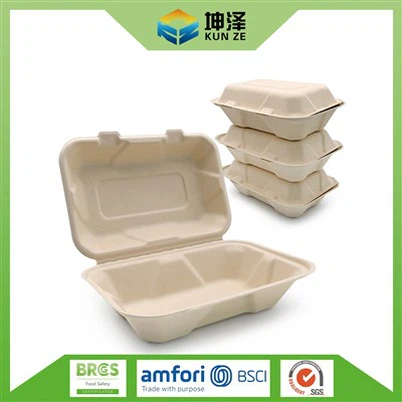
Bamboo Fiber Trays: Your Practical Path To Lower Carbon Footprint
Leave a message
Let me ask you something you've probably wondered: with all the "eco-friendly" packaging options flooding the market, does bamboo fiber really make a difference, or is it just another greenwashed trend?
Having worked with over 200 food suppliers transitioning to sustainable packaging, I can tell you this: most businesses are surprised by what they discover about bamboo. Just last week, a fruit exporter from California told me they switched to our bamboo trays and immediately received positive comments from three major retailers about their packaging choice.
The Carbon Math Most Suppliers Won't Show You
Here's the reality everyone's avoiding: not all bamboo is created equal. The carbon footprint varies dramatically depending on where and how it's grown. We source from managed forests in Zhejiang where the cultivation methods actually improve soil quality over time. Unlike timber that takes decades to regenerate, the bamboo we use reaches maturity in under four years, and here's the crucial part – we harvest without killing the plant. This means the root system continues storing carbon year after year.
The transportation footprint matters too. That's why we've optimized our manufacturing locations to serve major food distribution hubs efficiently. One of our clients, a berry farm in Oregon, calculated they reduced their overall packaging carbon footprint by 62% compared to their previous PET containers, even accounting for shipping from our production facility.
What Your Customers Notice Immediately
The first thing people notice isn't the sustainability – it's the presentation. Sarah Jenkins, who runs an artisanal cheese business, told us her sales increased by 15% after switching to our bamboo trays. "Customers pick up the product because it looks premium," she said. "The sustainability is the bonus that closes the sale."
But let's talk practicalities. When we first developed these trays, we spent eight months testing them with acidic fruits, oily prepared foods, and frozen meats. The breakthrough came when we solved the moisture resistance issue without chemical coatings. Our trays maintain integrity for juicy berries and fresh meats because of how we process and compress the fibers – it's a proprietary method that took 27 iterations to perfect.

The Disposal Problem Nobody Discusses
Here's the uncomfortable truth many suppliers avoid: "compostable" doesn't mean much if your customers don't have access to industrial composting facilities. That's why we're transparent about disposal options and provide retailers with simple educational materials they can share with end consumers.
Most importantly, we've designed our trays to break down effectively in home compost systems. We've had customers test this themselves – one vegetable supplier in Vermont reported the trays decomposed completely in his backyard compost bin within 11 weeks during summer months.
Making the Switch Without the Headache
I understand your hesitation. Changing packaging can feel risky. That's why we approach this differently:
First, we send you actual samples with no obligation. Test them with your specific products – see how they handle moisture, how they stack in shipping boxes, how they look on your shelves.
Second, we don't just give you generic pricing. We analyze your volume and needs, then work out the most cost-effective solution. Many clients are surprised that at scale, our bamboo trays cost less than many "premium" plastic alternatives.
Third, we share what we've learned from other businesses in your sector. We'll tell you honestly if bamboo trays might not be the right fit for your specific application – we've saved several clients from making costly mistakes by being upfront about limitations.
The Real Test Is in Your Hands
The question isn't whether bamboo fiber trays are genuinely sustainable – we've got the data to prove they are. The real question is whether they're the right solution for your products and customers.
Here's my suggestion: don't make a decision based on this article or any marketing materials. The only way to know if they'll work for you is to see them with your own eyes, test them with your actual products.
Request our sample kit – it includes trays of different sizes and thicknesses so you can run your own tests. See how your fruits, vegetables, or meats look in them. Check how they handle refrigeration. Test their durability in shipping simulations.
Once you're convinced they'll work for your business, we'll provide custom pricing based on your actual needs rather than generic tiered pricing. Most businesses find the transition smoother than expected, and the market response makes the effort worthwhile.
Want to see the difference for yourself? Contact me directly and I'll arrange for our comprehensive sample kit to reach your facility within 3 business days. No sales calls, no pressure – just practical testing so you can make an informed decision. Sometimes, seeing (and touching) really is believing.