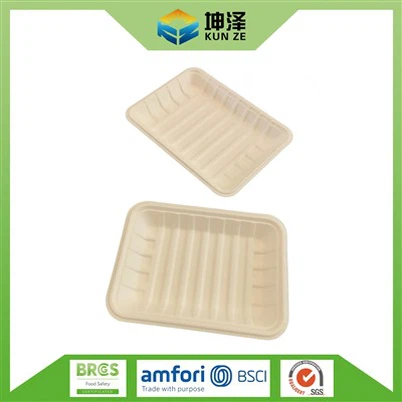
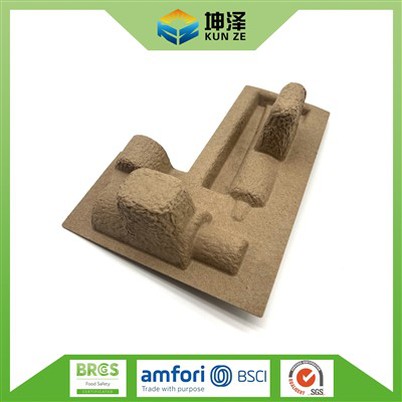
Why Sugarcane Bagasse Is the Eco-Warrior You’ve Never Heard Of
Leave a message
Let's talk trash-literally.
You know that fibrous gunk left after squeezing sugarcane for juice? The stuff most factories used to burn or dump? Turns out, it's quietly revolutionizing how we make everything from takeout boxes to paper.
Here's the real talk on sugarcane bagasse-no corporate fluff, just straight facts on why this "waste" is outsmarting plastic and wood pulp.
1. Waste? More Like a Secret Weapon
Picture this: For every ton of sugarcane processed, you get about 300kg of bagasse. That's not trash-that's free raw material screaming, "Use me!"
Why it matters:
Composts faster than your banana peels (90 days vs. plastic's 450 years)
Grows back like magic (Sugarcane regenerates yearly; trees take decades)
Tough as nails (Try spilling hot ramen in a bagasse bowl-it won't fold)
2. The Dirty Truth About "Green" Alternatives
"But what about recycled paper or corn plastic?" Glad you asked.

Bagasse wins because:
✅ No food vs. packaging debate (Corn plastic diverts crops from hungry mouths)
✅ No sneaky chemicals (Unlike "compostable" PLA that needs industrial plants)
✅ Actually survives your curry (Water-resistant without plastic coatings)
Pro tip: Next time you see "eco-friendly" packaging, check if it's bagasse or greenwashing.
3. Why Big Brands Are Switching
Starbucks' cold cups. McDonald's burger boxes. Even your iPhone's packaging might soon have bagasse in the mix.
The cold, hard business perks:
Cheaper than bamboo (Byproduct = low material costs)
Tax breaks in the EU/California for ditching plastic
Instagram-worthy sustainability cred (Millennials pay 12% more for legit green packaging)
4. The Catch (Because Nothing's Perfect)
Yeah, bagasse isn't magic fairy dust. Two real issues:
Composting confusion: Toss it in your backyard bin? Nope-needs commercial facilities (for now).
Supply chain headaches: Most bagasse still comes from Brazil/India. Local sourcing is growing but slow.
Workaround: Partner with suppliers who pre-process bagasse into ready-to-mold pulp.
5. Your Move, Planet-Saver
For businesses:
Test bagasse with your bestselling product's packaging first
Flaunt the "100% agricultural waste" angle in marketing
For consumers:
Look for the #BPAfree AND #Bagasse combo on food containers
Pester your local cafes to switch (Bonus: Their coffee tastes better in compostable cups)
Bottom Line:
Bagasse isn't just "better than plastic"-it's farming's ultimate glow-up. Waste becomes plates. Plates become compost. Compost grows more sugarcane. That's the kind of circular economy your grandkids will thank you for.
Now spill the tea-
Tried bagasse products? Loved it? Hated it? Tag us with your hottest (literally) takeout experience.