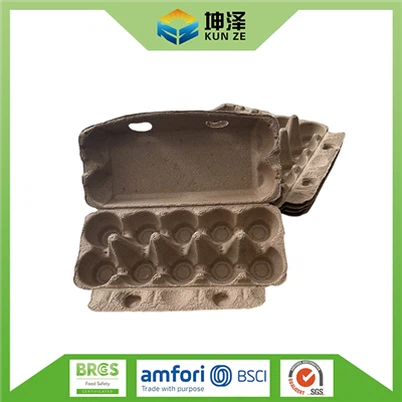
Why Straw Pulp is Outperforming Plastic in the 2026 Egg Packaging Market
Leave a message
For decades, plastic (PET) and Polystyrene (EPS) were the "default" choices for egg packaging due to their low cost. However, the tide has turned. As global plastic bans tighten and consumer demand for sustainable options peaks, molded straw pulp has emerged as the superior alternative.
But why exactly is it better? It's not just about being "green"-it's about better protection, breathability, and supply chain efficiency.
1. Superior Micro-Climate Control (Breathability)
Eggs are biological products that "breathe." Plastic containers trap moisture and heat, which can lead to fungal growth and faster spoilage.
Straw Pulp Advantage: The porous nature of wheat straw fiber allows for natural air circulation. It absorbs excess moisture, keeping the eggshells dry and significantly extending the shelf life of the eggs during transit and storage.
2. Impact Resistance and Structural Integrity
Many buyers assume plastic is more durable, but straw pulp offers better cushioning.
Energy Absorption: Unlike rigid plastic, which transfers the shock of an impact directly to the egg, molded straw pulp fibers are intertwined. This structure acts as a natural shock absorber, reducing the "breakage rate" in long-distance logistics-a critical KPI for egg suppliers and retailers.
3. Decoupling from Oil Price Volatility
Plastic prices are tied to the petrochemical market, which is notoriously volatile.
Stable Supply Chain: Straw pulp is made from agricultural residues-what's left over after the grain harvest. By using a "waste" product, manufacturers like Eco-pack can offer more stable long-term pricing, protecting egg producers from the sudden cost spikes associated with oil-based plastics.
4. PFAS-Free and Chemical Safety
With the 2026 regulations focusing heavily on "forever chemicals," plastic packaging is under fire.
Food Safety: Straw pulp packaging from reputable manufacturers is naturally PFAS-free. It doesn't leach harmful chemicals into the environment or the food chain, meeting the strictest FDA and EU food-grade standards.

Straw Pulp vs. Plastic: A Quick Comparison
| Feature | Straw Pulp Egg Trays | Plastic (PET/EPS) Egg Cartons |
| Degradability | 100% Compostable (approx. 90 days) | Non-biodegradable (500+ years) |
| Carbon Footprint | Low (Agricultural byproduct) | High (Petrochemical-based) |
| Breathability | High (Prevents mold) | Low (Traps moisture) |
| Shock Absorption | Excellent (Fiber cushioning) | Moderate (Rigid) |
How to Choose a Good Straw Pulp Egg Packaging Supplier?
When searching for the best straw pulp egg tray manufacturers in China, you should look for more than just a low price. A reliable partner should provide:
Certifications: Ensure they hold BPI, OK Compost, or FSC certifications.
Customization: Can they offer 6-count, 10-count, or 12-count trays with customized branding?
Production Capacity: High-volume output is essential for ensuring your supply chain remains uninterrupted.
As a leader among top 10 suppliers of pulp packaging in China, Eco-pack specializes in turning agricultural waste into high-performance packaging solutions. Our straw pulp egg trays are designed for both mechanical stability and environmental responsibility.
Industry Specialization: > To better serve the poultry and egg distribution industry, we have launched a dedicated platform: www.egg-pack.com. This specialized site focuses exclusively on recyclable molded pulp and straw pulp egg packaging solutions, offering detailed technical specs and bulk wholesale options for professional egg producers.