The Real Reason Sugarcane Bagasse Lunch Boxes Return to Nature
Leave a message
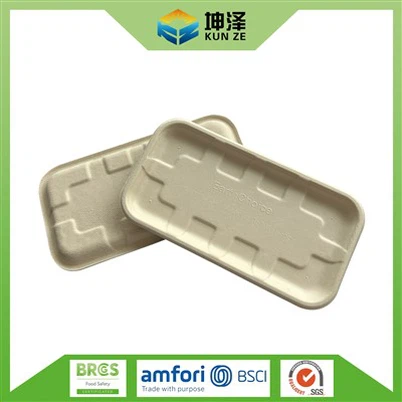
If you've ever held a sugarcane bagasse lunch box, you might notice something different. It's light, slightly textured, and feels closer to paper than to plastic. That texture isn't just for show - it's the sign of a material that comes straight from plants and goes right back to the earth.
Sugarcane bagasse is what's left after the juice is pressed from sugarcane stalks. Farmers used to burn or discard it, but now it's being shaped into sturdy containers for takeaway meals. Because it's simply plant fiber, it behaves very differently from synthetic packaging when it's thrown away.

Leave one in the right environment - damp soil, a compost pile, or even a garden bed - and natural microbes will get to work. Within a couple of months, the box breaks down into nothing more than organic matter. No plastic fragments. No chemical residue. Just compost that can feed the next round of crops.
Some commercial composting facilities speed this up by controlling heat and moisture, but even at home, these boxes will quietly decompose alongside vegetable peels and coffee grounds. It's a small, almost invisible cycle: from field to plate, then back to the field.
The environmental benefit is twofold. First, it keeps petroleum-based plastics out of landfills and oceans. Second, it makes use of a by-product that would otherwise go to waste. In a world where packaging waste is a growing problem, that's a practical solution wrapped in a humble lunch box.