R-PET pellet production process and its advantages
Leave a message
RPET (recycled polyethylene terephthalate) pellets are a plastic material produced by recycling used plastic bottles.
The production process of RPET pellets involves multiple steps, including sorting, cleaning, shredding, melting and granulating. During the sorting stage, plastic bottles are sorted by color, type and quality. The sorted bottles are then washed and cut into small pieces. The flakes are melted and purified to remove impurities and contaminants, then granulated into small, uniform particles ready for use.
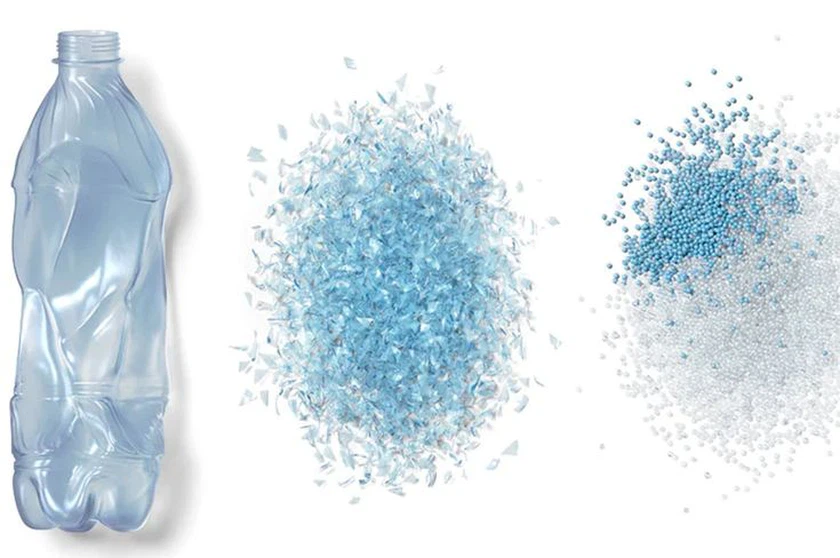
There are several advantages to using RPET particles. First, it significantly reduces the amount of plastic waste that ends up in landfills and oceans. Recycling plastic bottles into RPET pellets reduces the need for new plastic production, thereby conserving resources and reducing greenhouse gas emissions. Additionally, RPET pellets are a cost-effective and environmentally friendly alternative to virgin plastic pellets.
RPET pellets have a wide range of applications, including packaging materials, textiles and automotive parts. They can be used to produce a variety of products such as polyester fabrics, carpets and plastic bottles. RPET pellets have similar properties to virgin plastic pellets and can be easily molded, extruded and blown into a variety of shapes and sizes.

To sum up, RPET pellets are a plastic material produced by recycling waste plastic bottles. The process includes sorting, cleaning, crushing, melting and granulating. RPET pellets offer several advantages over virgin plastic pellets, including being cost-effective, environmentally friendly, and reducing plastic waste. RPET pellets are widely used in various industries and have similar properties to virgin plastic pellets.