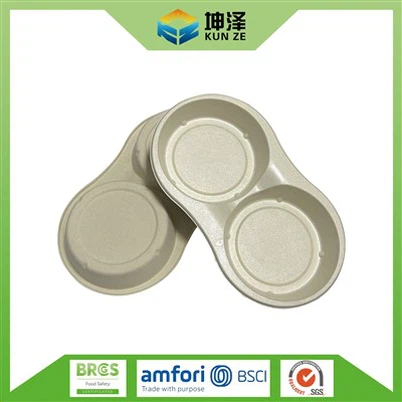
How to Compost Tableware
Leave a message
The practice of composting dishes or kitchenware is an eco-friendly method that has been gaining popularity in recent times. Composting kitchen wares has a positive impact on our environment, especially for those who are concerned about the impact of waste on our planet. In this article, we will discuss the knowledge and practice involved in the process of composting dinnerware.
The method of composting dinnerware
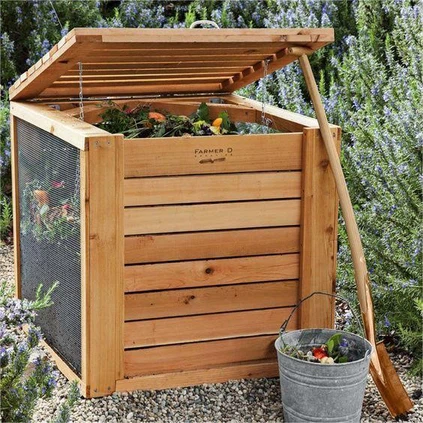
Composting dishes includes collecting organic kitchen waste such as food scraps, leftover foods, and vegetable peels in a bin. These materials are then converted into compost, which is used to enrich soil. This process reduces the amount of waste that goes to landfills, reduces greenhouse gases, and increases soil health.


To compost dinnerware, the following steps should be followed:
Step 1: Determine if the dinnerware is compostable
Compostable dinnerware is made of sustainable materials like corn starch, sugarcane, wheat straw, and even paper. These materials can break down naturally in a compost pile. Therefore, it is essential to verify the type of material used in the dishes before starting the composting process.
Step 2: Clean the dinnerware
Before composting, the dinnerware needs to be cleaned thoroughly. This means removing any leftover food or liquids from the dishes and rinsing them with water.
Step 3: Cut the dinnerware
If the dinnerware is too large to fit in a compost bin, it is recommended to cut the dinnerware into smaller pieces to aid in the decomposition process.
Step 4: Place the compostable dinnerware in the compost bin
The compostable dinnerware can now be added to the compost bin. It is recommended to mix it with other organic materials like food scraps, leaves, and grass in the compost bin.
Step 5: Monitor the compost pile
To ensure the composting process is successful, check the compost pile regularly. The pile should be moist, but not too wet. If there is an unpleasant smell or if there are no visible signs of decomposition, it is recommended to add more greens like grass clippings and kitchen scraps.

Benefits of composting dishes
There are numerous benefits associated with composting dishes, including:
1. Reducing waste in landfills
Composting dinnerware helps divert waste from landfills, which is beneficial to the environment.
2. Nutrient-rich soil
Composting creates nutrient-rich soil that is needed to produce healthy plants.
3. Promotes healthy soil microorganisms
Composting encourages healthy soil microorganisms that help to break down nutrients and make them available to plants.
4. Cost savings
Composting can help to reduce the cost of purchasing soil fertilizers.
5. Supports gardening
Nutrient-rich soil obtained through composting can be used in gardening, reducing the need to purchase costly fertilizers and boosting plant health.
Composting of dinnerware is an essential practice that is highly beneficial to the environment. By following the steps mentioned in the article, you can start composting your dinnerware today and join others in promoting an eco-friendly future.