How are biodegradable cups different from traditional ones?
Leave a message
Disposable cups have become an integral part of our daily lives. They are convenient and easy to use, but they also cause huge harm to the environment. Traditional disposable cups are made of plastic and take hundreds of years to break down. Additionally, plastic cups are not biodegradable, meaning they cannot break down through natural processes. This results in huge amounts of plastic waste piling up in landfills and polluting our oceans.
To solve this problem, biodegradable cups have been introduced in the market. These cups are made from natural materials, such as cornstarch or bamboo fiber, that naturally break down when exposed to the environment. Biodegradable cups are a better alternative to traditional cups as they have a smaller carbon footprint and are more environmentally friendly.
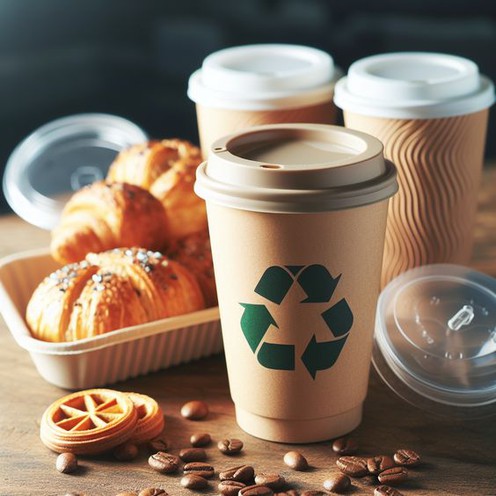
One of the main advantages of biodegradable cups is that they do not release toxic substances when they break down. Traditional plastic cups release harmful chemicals into the environment as they break down, which can have long-term impacts on the environment and public health. Biodegradable cups, on the other hand, pose no such risks.
Another advantage of biodegradable cups is that they are more sustainable. Traditional cups are made from non-renewable resources, such as fossil fuels, which are rapidly being depleted. Biodegradable cups, on the other hand, are made from renewable resources that replenish naturally, such as corn or bamboo.
One of the biggest misconceptions about biodegradable cups is that they biodegrade quickly in typical landfills. This is not necessarily true, as landfills often lack the oxygen and sunlight needed for natural biodegradation to occur. However, biodegradable cups are a better option because they can still break down when exposed to the right conditions in a commercial composting facility.
In summary, biodegradable cups are a better alternative to traditional disposable cups in terms of environmental impact and sustainability. Although they may be slightly more expensive than traditional cups, the benefits far outweigh the cost. Switching to biodegradable cups is a small step we can take to protect the environment and natural resources.