Bamboo Fiber Dinnerware: Top 10 Questions Answered for Savvy Buyers
Leave a message
As a supplier in the eco-friendly tabletop industry, I spend a lot of time talking to buyers from Europe, North America, and Australia. They all want the same thing: a product that's green, safe, and actually sells.
However, there's still a lot of confusion about what bamboo fiber can and can't do. If you're looking to stock up for your brand or retail store, these are the 10 most common questions we get, answered straight from the factory floor.

1. "Is it really as eco-friendly as it sounds?"
Yes, but let's be honest-it's about the raw material. Bamboo grows like a weed, requires no pesticides, and absorbs a ton of CO2. When we process it into fiber, we're using a renewable resource that beats traditional plastic every time. For your customers, the "sustainability" story is a huge selling point that justifies the shelf price.
2. "I'm worried about safety. Is there BPA in it?"
We get this one daily. Short answer: No. High-quality bamboo dinnerware is BPA-free and phthalate-free. We use food-grade binders to hold the fiber together, which is essential for passing FDA or LFGB testing. If you're importing, always ask for these test reports-they are your insurance policy.
3. "Is it actually 'antibacterial'?"
Bamboo contains a natural bio-agent called "Bamboo Kun." It's a bit of a miracle of nature that helps the plant resist pests. This property carries over into the fiber, giving the plates a natural resistance to bacteria and odors. It's why our restaurant clients love them for high-frequency use.
4. "Is it going to break the first time a customer drops it?"
It's much tougher than ceramic or glass, but it isn't "indestructible" like pure melamine or plastic. Think of it as "shatter-resistant." If it falls on a wooden floor, it's usually fine. If it's slammed onto concrete, it might crack-but it won't shatter into dangerous shards. That's why it's a go-to for kids' lines.
5. "Can my customers put these in the microwave?"
This is the "deal-breaker" for some. No, bamboo fiber shouldn't go in the microwave. The intense heat causes the natural fibers to dry out and eventually crack. We always advise our clients to make this clear on the packaging to avoid returns.
6. "Can these be washed and reused?"
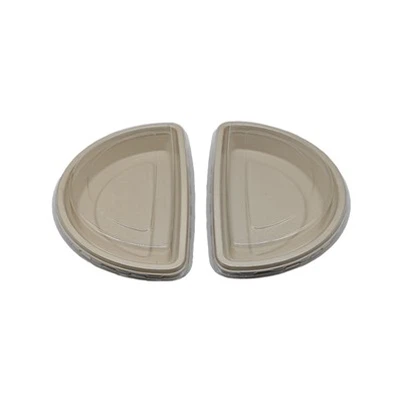
No, these are designed specifically for single use. The benefit here is convenience and hygiene, especially for large events, festivals, or takeaway services where collection and washing aren't feasible. You get the premium feel of a sturdy plate without the cleanup labor costs.
7. "Will the designs peel off?"
If you buy the cheap stuff, maybe. But quality bamboo ware uses a high-heat decal process where the design is basically fused into the material. It won't peel, and the colors stay vibrant even after serving greasy or acidic foods.
8. "How does the pricing compare?"
Here is the real advantage for you. Bamboo fiber hits the "sweet spot." It's more affordable than high-end stoneware or artisanal glass, but it feels way more premium than plastic. It allows you to offer an "eco-luxury" product at a price point that moves quickly.
9. "Can I put my own brand/logo on it?"
That's the bread and butter of our business. Because the material is so versatile, we can do full-wrap prints, embossed logos, or custom colors. It's one of the easiest product lines to "private label" and build a brand around.
10. "What happens to them after they are thrown away?"
This is the best part of the product's lifecycle. They are 100% compostable and biodegradable. In a commercial composting facility, they break down rapidly into nutrient-rich soil. Even in general waste, they will decompose far faster and cleaner than traditional plastics.
The Bottom Line
Bamboo fiber dinnerware is the perfect bridge between "disposable" and "luxury." It's stronger, naturally antibacterial, and has a price point that works for bulk orders.
Want to see a sample or get our 2026 pricing? [Contact our Sales Team]